Southern Restaurant Favorites for Lunch and Dinner
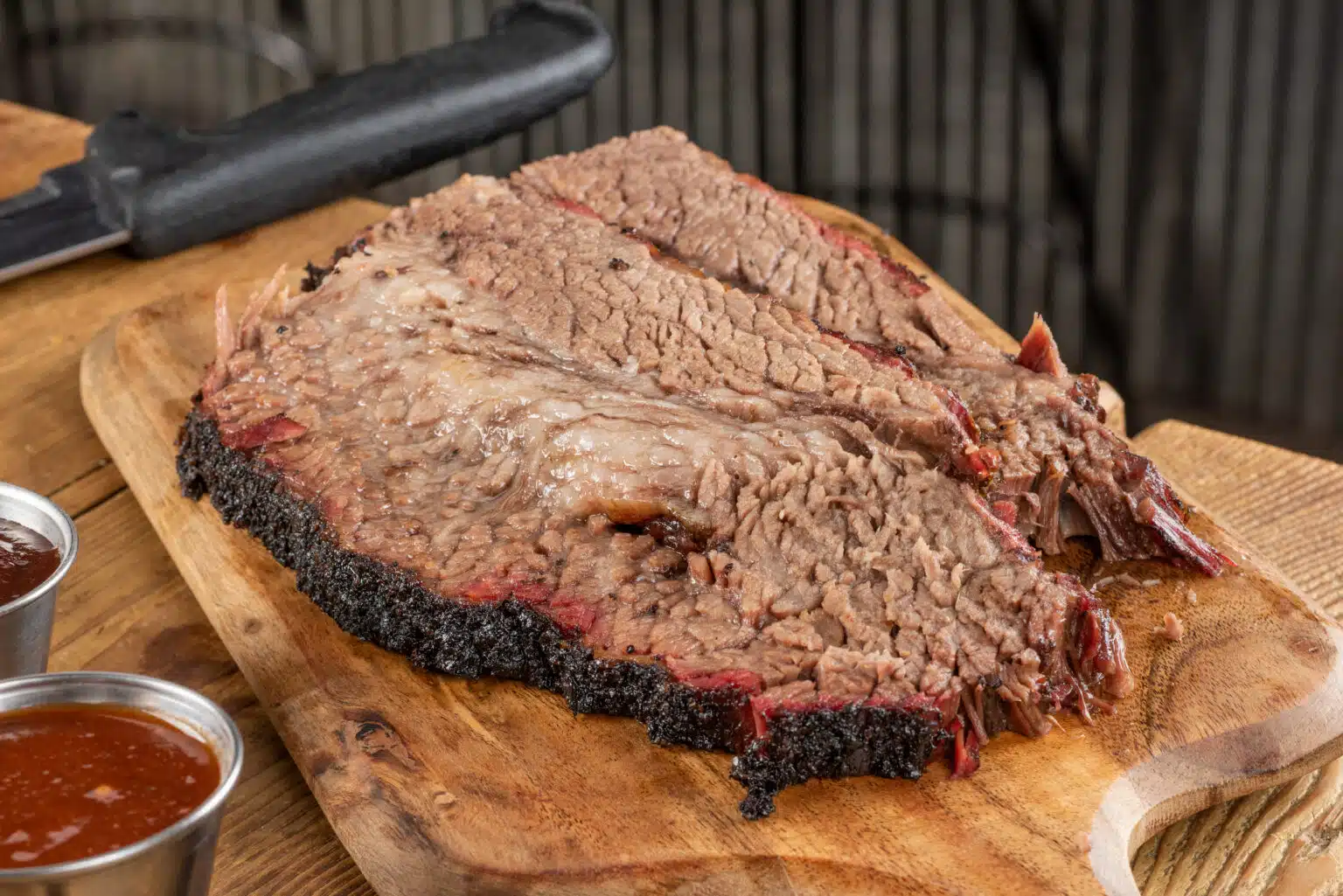

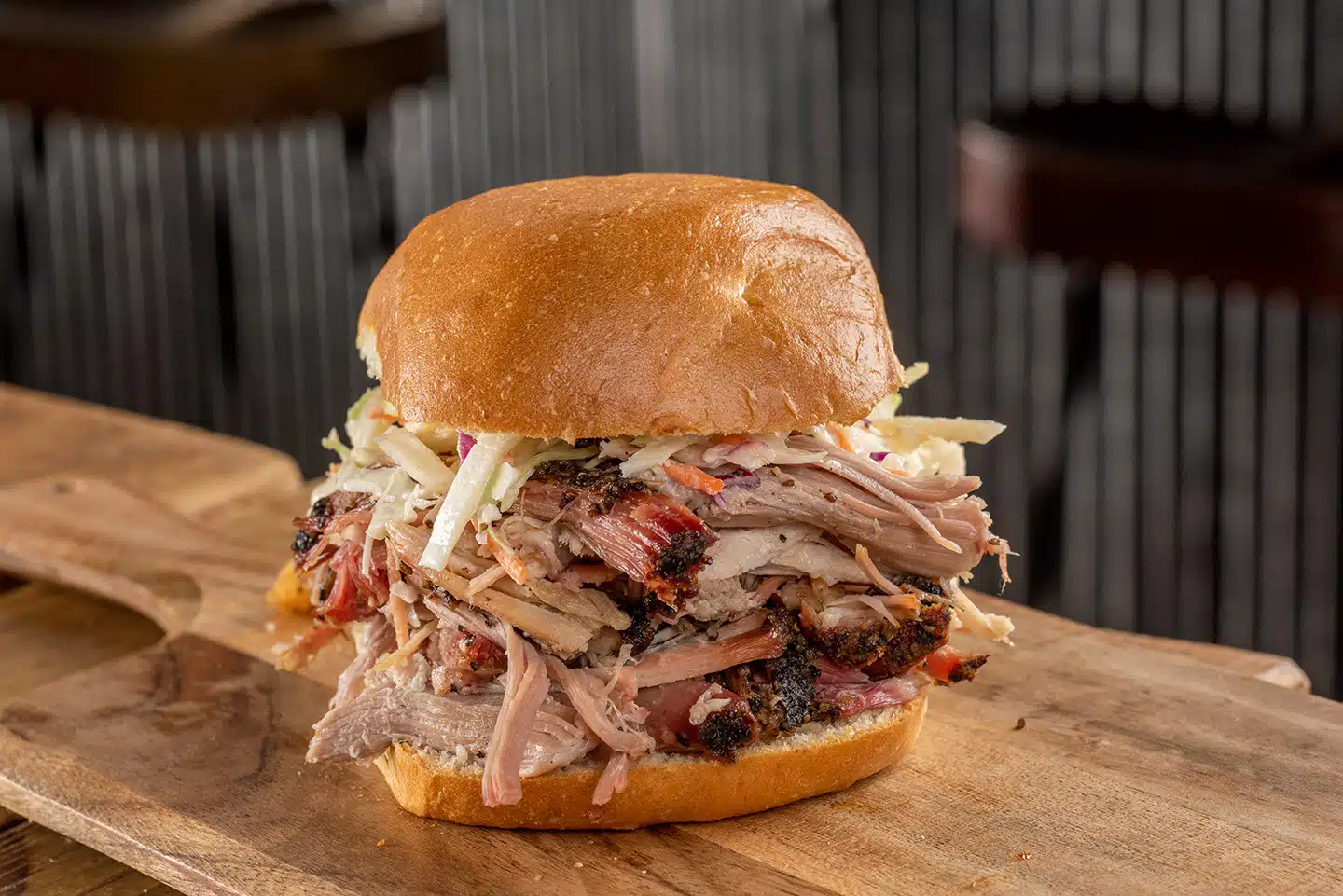
A good Southern restaurant does more than serve food. It sets a pace. Lunch comes out hot and fast enough for people on a work break, but with enough care that nobody feels rushed. Dinner slows down, portions get a little more generous, and the room often takes on a different energy. You hear more conversation, see more platters hitting tables, and catch that mix of butter, smoke, pepper, and skillet crust that tells you the kitchen knows exactly what it is doing.
That shift between midday and evening is part of what makes Southern dining so appealing. The food is rooted in comfort, but the best places never lean on nostalgia alone. They succeed because they understand balance. A plate can be rich without feeling heavy. A menu can feel familiar while still showing judgment, restraint, and technique. That matters whether someone stops in for a chicken salad plate and sweet tea at noon or settles into a booth at seven for fried catfish, greens, and a piece of chess pie.
People often use the phrase Southern restaurant as if it describes one narrow category, but that misses the range. Southern cooking can be rural, urban, coastal, mountain-based, deeply local, church-supper simple, or polished enough for a business dinner. The staples overlap, yet one restaurant may build its reputation on biscuits and breakfast-for-lunch, while another is known for smothered pork chops and oxtails after dark. What unites them is not a single dish. It is a style of hospitality and a way of treating ingredients that prioritizes flavor, patience, and satisfaction.
What lunch gets right in a Southern restaurant
Lunch at a Southern restaurant usually has one job: deliver comfort without ruining the rest of your afternoon. That sounds simple, but it takes discipline. Heavy-handed seasoning, oversized portions, or greasy breading can turn a favorite meal into something that drags you down by two o’clock. The strongest lunch menus know how to give diners the feeling of abundance without overdoing it.
That often starts with smart plate construction. A crisp fried chicken sandwich works at lunch because it brings crunch, acid, and softness in one bite. Pickles cut the richness. A lightly dressed slaw adds freshness. A bun that can hold its shape matters more than people think. If the bread collapses in the first five minutes, the whole sandwich becomes a chore. The same goes for meat-and-three lunches. The proteins should be flavorful enough to lead the plate, but the sides need to carry their share. Lima beans cooked with stock and aromatics, roasted sweet potatoes with a little caramelization, or collard greens that keep some texture can make a lunch feel complete rather than repetitive.
A lot of diners underestimate the importance of temperature and timing at lunch. Fried food has a short window where it goes from outstanding to ordinary. So does gravy. So do biscuits. In well-run Southern kitchens, lunch service tends to expose the strengths and weaknesses of execution faster than dinner does. There is less room to hide mistakes when guests are in and out within forty-five minutes.
Here are five lunch orders that consistently show what a Southern restaurant does best:
- Fried chicken sandwich with pickles, slaw, and a side of seasoned fries or fruit
- Chicken salad plate with sliced tomatoes, crackers, and a scoop of pasta salad
- Meat-and-three built around roast turkey, country-fried steak, or baked chicken
- Shrimp and grits in a lunch portion, with enough sauce to coat, not drown
- Vegetable plate with cornbread, especially when the kitchen treats the sides as main attractions
The vegetable plate deserves more respect than it sometimes gets. In the right hands, it is not a compromise or a backup plan. It is often the clearest proof that a kitchen can cook. Anybody can hide behind a crispy crust or a sugary glaze. Vegetables require attention. Okra needs a careful hand. Squash can go watery in a hurry. Green beans should taste seasoned and alive, not boiled into submission. When a Southern restaurant sends out a vegetable plate that feels generous, varied, and fully thought through, that is a strong sign the rest of the menu is in good shape.
Dinner is where depth shows up
Dinner gives Southern cooking room to stretch out. Sauces can be richer. Southern restaurant Braises can be longer. Portions can edge closer to celebratory. The menu often picks up dishes that would feel too slow or too substantial for lunch, and that is where a restaurant’s personality starts to come into focus.
Take smothered pork chops. On paper, it sounds straightforward. In practice, the difference between average and excellent is huge. A good chop stays moist, whether it is bone-in or boneless. The gravy should taste like the fond was actually used, not like flour and stock were whisked together at the last minute. Onions need enough time to soften and sweeten. If the plate comes with mashed potatoes, they should be substantial enough to carry the sauce, but not so gluey that they turn dense on the fork.
Seafood tells a similar story. Southern dinner menus often feature catfish, gulf shrimp, trout, or crab cakes, depending on region and supply. The strongest kitchens understand that Southern style does not mean breading everything into sameness. Catfish can be dusted in cornmeal and fried crisp, yes, but it can also be blackened or grilled. Shrimp can sit over stone-ground grits with tasso gravy, or be folded into a simple sauté with butter, garlic, and lemon if the restaurant leans coastal. Restraint is part of the tradition too, even if people sometimes forget that.
Dinner is also where side dishes stop being supporting actors. Macaroni and cheese, braised greens, butter beans, skillet corn, candied yams, dirty rice, and cornbread dressing all carry real weight on a Southern table. If a restaurant gets these right, guests remember. If it treats them like afterthoughts, the whole meal feels less generous, no matter how good the entrée is.
These are five dinner favorites that often define a memorable Southern restaurant meal:
- Smothered pork chops with mashed potatoes and collard greens
- Fried catfish with hush puppies, slaw, and fries or cheese grits
- Shrimp and grits with a darker, more savory sauce than the lunch version
- Country-fried steak with white gravy, green beans, and biscuits
- Slow-cooked short ribs or pot roast over rice, especially in cooler months
What makes these dishes satisfying is not just richness. It is contrast. Crispy with creamy. Peppery with sweet. Smoky with bright. A plate of fried catfish without slaw or lemon can feel flat. Shrimp and grits without a little acid or spice can read one-note. Even desserts follow this principle. Banana pudding needs enough vanilla and salt to keep it from turning cloying. Pecan pie benefits from a bitter cup of coffee or unsweetened whipped cream. Southern food works best when somebody in the kitchen understands where relief needs to show up.
The dishes that carry the reputation
Every category of restaurant has signature items that guests use as measuring sticks. In a Southern restaurant, fried chicken is one of the clearest examples. People know exactly what they want from it, even if they cannot always explain it. They want audible crunch. They want seasoning in the flour and in the meat. They want juices that stay inside the crust instead of steaming it loose. And they want consistency. One exceptional piece does not mean much if the next table gets a dry breast and under-seasoned thigh.
Biscuits are another test, and an unforgiving one. A biscuit looks simple, but it reveals everything about care and timing. Too much handling and it toughens. Too much flour on the bench and it dries. Too little salt and it tastes flat even under sausage gravy. The best biscuits have structure without being bready. They split cleanly, smell of butter or buttermilk, and hold up whether paired with jam at lunch or used to mop a dinner plate.
Then there is cornbread, which starts debates the minute it hits the table. Sweet or not sweet, skillet-baked or pan-baked, crumbly or more cake-like, every household and region has a preference. A restaurant does not need to satisfy every camp. It does need to choose a style and execute it well. Few things disappoint faster than cornbread served lukewarm and dry, especially when the rest of the meal asks for something warm enough to soften butter on contact.
Side dishes often create the strongest emotional response because they carry memory. People compare collards to a grandmother’s, macaroni to a church potluck version, peach cobbler to something they ate at a roadside diner years ago. That can be hard for any restaurant to overcome. The smart ones do not try to imitate private memory exactly. They focus on quality, generosity, and integrity. If the greens are deeply flavored and properly seasoned, guests may still say, “This isn’t how my family made it,” but they will usually keep eating.
Regional differences matter more than people admit
People outside the South sometimes flatten the cuisine into one broad style, but lunch and dinner menus change noticeably across the region. A Southern restaurant in coastal South Carolina may lean toward shrimp, crab rice, and lighter sauces. In Mississippi, Alabama, or parts of Louisiana, you may see stronger influences from Delta cooking, Creole techniques, or catfish-house traditions. In Tennessee or Kentucky, smoked meats and skillet dishes might play a bigger role. Texas brings its own overlap with Southern cooking, especially where gravy, chicken-fried steaks, and hearty vegetable sides are concerned.
That regional variation is not a detail. It affects what diners should expect and how they should judge the meal. Grits in one state may be looser and more buttery. In another, they may be thicker and more plainly seasoned because the sauce or braise is meant to do the work. Cornbread can shift from savory and crumbly to sweeter and more tender. Barbecue, if it appears on the menu, opens a whole separate conversation around wood, smoke, sauce, and cut.
The best Southern restaurant menus reflect place without turning local identity into a performance. You can usually spot the difference. One kind of menu includes dishes because they genuinely belong there. The other includes them because they sound marketable. Authenticity is an overused word, but diners know when a restaurant is cooking from habit versus assembling an idea of Southernness for effect.
What separates a dependable spot from a destination
Not every meal needs to be revelatory. Some Southern restaurants earn loyalty by being steady. They open on time, pour strong tea, keep the rolls coming, and serve the same reliable lunch special every Tuesday. That kind of place matters. It feeds office workers, retirees, traveling salespeople, and families who need dinner without a fuss. Dependability is a real achievement in restaurant work, especially in kitchens that produce so much from scratch.
A destination restaurant does something more. It sharpens the classics. It may source better produce, use a seasoned cast-iron program carefully, or take extra time with stock, pickling liquid, or house-made pepper sauces. It creates plates that still feel rooted in Southern food, but show more precision. The fried green tomatoes stay crisp under their toppings. The pimento cheese tastes balanced instead of blunt. The braised greens hold onto their character rather than collapsing into salty softness.
Still, polish has its trade-offs. Some highly ambitious Southern restaurants lose the ease that makes the cuisine appealing in the first place. Portions shrink too far. Menus become overly clever. Price points rise beyond what the food experience can justify. There is room for refinement, but the cuisine resists fussiness. If a guest orders meatloaf, they should not receive a tiny architectural slice surrounded by decorative puree. They should get something that tastes cared for, honest, and complete.
The role of hospitality at lunch and dinner
Hospitality is not a side note in Southern dining. It is part of the product. At lunch, that may mean efficient service, refills before glasses run dry, and a server who knows exactly which sides are freshest that day. At dinner, it often means pacing, warmth, and a sense that the room welcomes both regulars and first-timers.
This matters because many Southern dishes are deeply familiar to guests. When people order food that connects to memory, they notice the service more acutely. A rushed or indifferent interaction can make even good cooking feel transactional. By contrast, a server who steers a guest from a heavy lunch entrée toward a lighter plate on a hot day is doing real hospitality. So is a bartender who knows that bourbon pairs better with the smoked pork than a sweet cocktail does. Southern restaurants are often judged on these details just as much as on the food.
There is also a practical side to hospitality in this category. Certain dishes need explanation. A visitor may not know what chow-chow is, or whether the gravy is sausage-based or peppery milk gravy, or whether the grits are coarse enough to have real texture. Clear, knowledgeable answers improve the meal and reduce disappointment. Restaurants that train their staff on those specifics usually see the benefits in repeat business.
Lunch versus dinner, how diners can choose wisely
People sometimes order the same way at every hour, then wonder why one meal feels better suited than another. Southern food rewards a little situational judgment. If you have a long afternoon ahead, there is no shame in choosing grilled chicken over country-fried steak, or a vegetable plate over a bowl of shrimp and grits rich with cream and bacon. If it is cold outside and dinner is the main event, that is when braises, gravies, and heavier sides make the most sense.
A few practical cues help when reading the menu:
- At lunch, look for plates built around balance, crisp textures, and moderate portions
- At dinner, lean into slow-cooked items, composed entrées, and sides meant for sharing
- Ask which dishes the kitchen sells through quickly, since turnover often means fresher fried items and better sides
- Be cautious with overly broad menus, because very large Southern menus can signal uneven execution
- If biscuits, cornbread, or greens are excellent, the rest of the kitchen is often worth trusting
Those cues are not rigid rules, but they hold up often enough to be useful. A concise menu with a few lunch specials usually beats a twenty-page binder of every Southern dish imaginable. This is especially true for fried seafood and vegetables, where timing and holding quality matter so much.
Why these meals stay with people
Southern restaurant favorites endure because they meet more than one need at once. They fill people up, certainly, but they also reassure. A plate of roast chicken with rice and gravy can settle a hard day. A basket of hush puppies can pull a table into conversation. A warm biscuit with butter can make a traveler feel briefly at home in an unfamiliar town. That emotional effect is not sentimental fluff. It is part of the dining experience, and the strongest restaurants understand it without exploiting it.
There is also real craftsmanship behind the comfort. Stocks need simmering. Greens need washing and seasoning. Fry stations need constant attention. Doughs need proper handling. Sauces need tasting. None of that is flashy, and much of it is invisible to the guest, but it explains why one Southern restaurant becomes a local institution while another fades after the novelty wears off.
For lunch, the favorites tend to be the dishes that deliver ease, flavor, and enough restraint to keep the day moving. For dinner, the favorites usually add depth, richness, and a little ceremony. Across both, the essentials remain the same: honest cooking, thoughtful sides, warm service, and a clear point of view about what belongs on the plate. When those pieces come together, Southern food does what it has always done best. It makes people want to come back tomorrow, then bring somebody with them next time.
Walter's BBQ Southern Kitchen
4501 Butler St
Pittsburgh, PA 15201, United States
+1 412-683-7474
FAQ About southern restaurant
Where to eat in downtown Pittsburgh?
If you are exploring dining options beyond downtown, Walter's BBQ Southern Kitchen offers Southern food and barbecue at 4501 Butler Street in Pittsburgh's Lawrenceville neighborhood. It is outside downtown, so allow travel time when planning your visit.
What is a must eat in Pittsburgh?
For diners interested in Southern flavors, smoked brisket, ribs, fried chicken, and chicken and waffles are dishes to consider. Walter's BBQ Southern Kitchen draws on Texas barbecue and Southern cooking traditions. Check the current menu for the dishes available during your visit.
What are some of Pittsburgh's unique restaurants?
Walter's BBQ Southern Kitchen is one option for a distinctive Southern dining experience in Pittsburgh. Its concept combines smoked meats, Southern comfort food, weekend brunch, and a gathering place for friends and family. The restaurant is located on Butler Street in Lawrenceville.