Why a Southern Restaurant in Pittsburgh, PA Feels Like Home
There is a particular kind of comfort that cannot be staged. You know it when you walk through the door. The room settles you before the host says a word. The food smells like somebody in the back has been tending to it, not merely preparing it. The server does not recite a script. They read the table, answer the question behind the question, and make a first-time guest feel like a regular who has simply been away for a while.
That is the difference between a restaurant that serves Southern food and a Southern restaurant in Pittsburgh, PA that genuinely feels like home.
People often talk about hospitality as if it were a vague, soft concept. In practice, it is concrete. It lives in pacing, seasoning, music volume, lighting, portioning, and whether the kitchen understands that fried chicken is not just fried chicken. It is memory. It is ritual. It is Sunday after church for some guests, a weeknight reward after a long shift for others, and a bridge back to family for many people who moved north and still miss the tastes that raised them.
Pittsburgh is a city that understands food with emotional weight. It has always appreciated meals that work hard, feed generously, and carry a story. That is one reason Southern cooking resonates here. Both traditions prize substance over show. Both know that a humble plate, done correctly, can say more than a fashionable one. When a Southern restaurant gets that right in Pittsburgh, it does more than fill seats. It earns trust.
The feeling starts before the first bite
A lot of restaurants focus their attention on the plate and forget that guests begin forming opinions from the sidewalk. Home-like places understand the sequence. Parking matters. The ease of the greeting matters. The temperature of the room matters. If the front door opens to a blast of noise and confusion, comfort has already been compromised.
The best Southern spaces in Pittsburgh tend to get the basics right in a way that looks effortless and usually is not. Chairs are comfortable enough that nobody is rushing you out. Tables are close enough to create energy, but not so close that you end up attending the conversation next to you. The soundtrack supports the room rather than trying to dominate it. You might hear soul, blues, old-school R&B, gospel influences, or regional standards that quietly anchor the experience without turning dinner into a performance.
There is also a difference in visual cues. A home-like restaurant does not need to lean on caricature. You do not need walls overloaded with cliches to signal Southern identity. In fact, the opposite is usually true. The strongest rooms tend to feel lived in rather than themed. Maybe there is warm wood, maybe family photos, maybe cast iron displayed because it is used, not because a consultant thought it looked rustic. Authenticity rarely announces itself loudly. It lets you discover it.
This matters even more in a city like Pittsburgh, where diners are alert to pretension and quick to reward honesty. A restaurant that feels grounded, sincere, and attentive has an advantage before the cornbread ever reaches the table.
Hospitality is the real recipe
You can teach sequence of service. You can train people to describe menu items and clear plates from the proper side. What is harder to teach is the style of welcome that makes Southern dining memorable. That comes from a culture of care inside the building.
At a true Southern restaurant, service often has an ease to it that reads as personal rather than transactional. A guest asks whether the greens are spicy, and the answer includes context, not just a yes or no. A server notices that someone is ordering cautiously and steers them toward a combination plate so they can try a little more. If a table is celebrating something modest, a new job, a birthday, a cousin visiting from out of town, the room seems to make space for that moment instead of ignoring it.
That kind of service feels simple from the guest side. Behind the scenes, it usually reflects strong management. Staff have to know the food thoroughly. They need enough authority to solve small problems before they become large ones. They need to work in a place where generosity is supported rather than penalized. Restaurants that feel like home are rarely run by fear. The dining room can sense it when employees are merely surviving a shift.
One of the clearest signs of Southern hospitality is the absence of hurry, even when the restaurant is busy. Not slowness, not disorder, but composure. The plate arrives hot. The refill appears at the right moment. The check is neither dropped too early nor delayed too long. Good service has rhythm. Great service has grace.
Food that tastes of time, not shortcuts
Southern cooking asks for patience. That is one reason it is so revealing. You cannot fake the depth of long-simmered greens. You cannot rush proper mac and cheese and expect the same result. You cannot bread, fry, and season catfish carelessly and hope nostalgia will cover the mistakes. The cuisine is generous, but it is not forgiving.
When people say a Southern restaurant feels like home, they are often responding to the evidence of time in the food. Gravy tastes like drippings and attention. Candied yams are balanced enough to let the vegetable remain itself. Black-eyed peas hold their shape without turning stiff. Cornbread walks a difficult line between tenderness and structure. Biscuits split with a gentle pull rather than crumbling into defeat.
Fried chicken is a useful test because diners carry such clear expectations for it. Good fried chicken is not just crisp. The crust should cling properly. The seasoning needs to penetrate past the surface. The meat has to stay juicy, especially in the breast, which is where many kitchens fail. If the chicken arrives piping hot, audibly crisp, and balanced between salt, fat, and spice, the table relaxes. The restaurant has made its case.
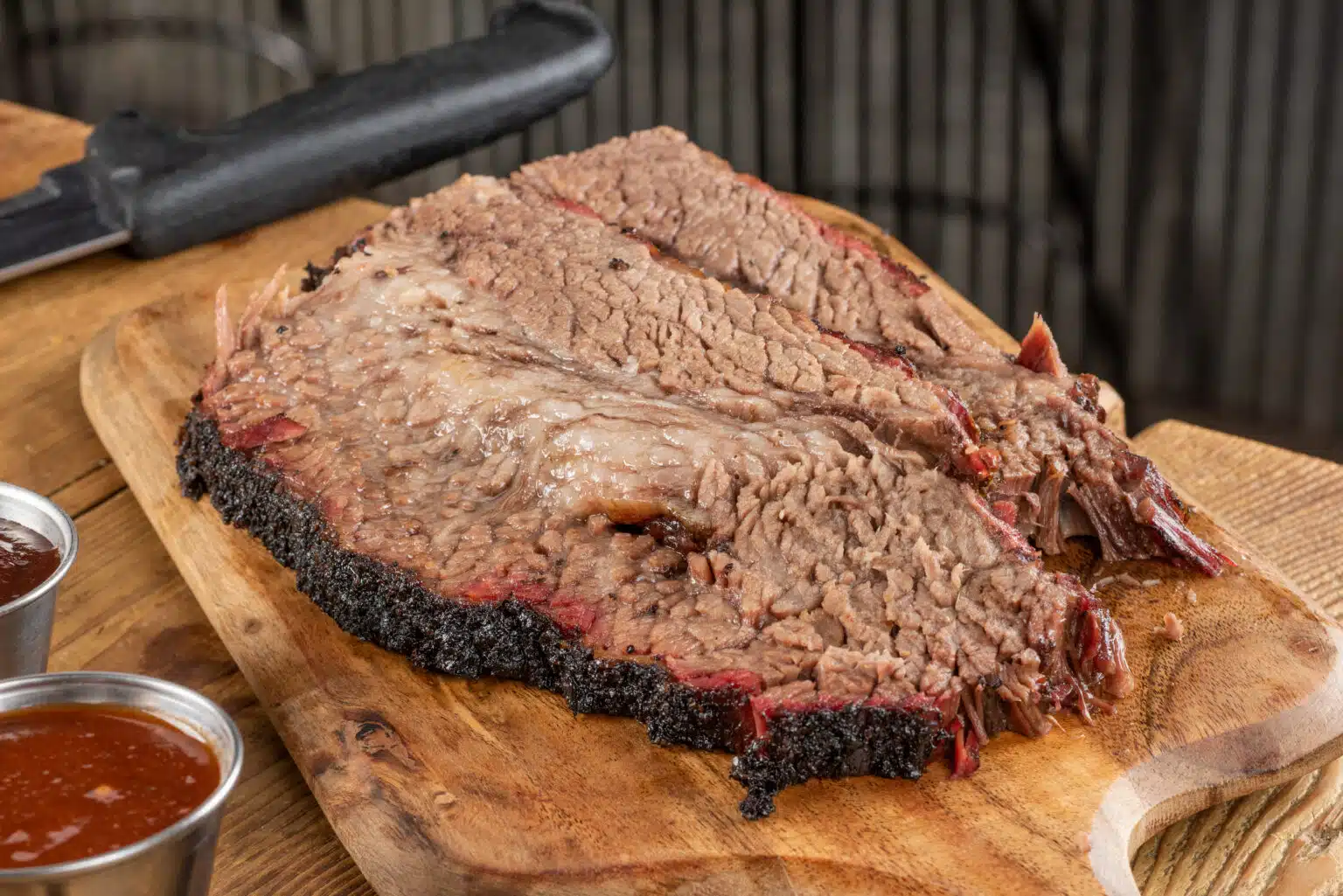
Smoked meats tell a similar story. Whether the menu leans toward ribs, brisket, pulled pork, or smoked turkey, guests can taste whether the pit work was handled with skill. Smoke should deepen flavor, not overwhelm it. Sauce should support, not conceal. Texture should reflect judgment. Overcooked barbecue collapses into mush. Undercooked barbecue fights the fork. The sweet spot is hard-won.
Even side dishes carry enormous emotional freight in Southern cooking. In many dining traditions, sides are decorative. Here, they are essential. People remember where they had the right potato salad, the right cabbage, the right field peas, the right rice, the right peach cobbler. Some of the most loyal repeat business in the category comes from one side dish that tastes exactly the way a guest hoped it would.
Pittsburgh brings its own character to the table
A Southern restaurant in Pittsburgh, PA does not exist in a vacuum. It serves a local audience with local habits, weather, expectations, and rhythms. That context matters.
Pittsburgh diners tend to appreciate value, but value here does not simply mean low prices. It means a meal should feel worth the trip, the wait, and the check. Generous portions help, but they are not enough by themselves. The city responds to places with identity, places that stand for something and deliver consistently. Southern cuisine fits that temperament well because it is rooted, direct, and deeply tied to craft.
Climate plays a role too. Pittsburgh has long stretches of gray weather, cold months that ask for food with warmth and heft, and a local culture that embraces comfort without apology. Dishes like shrimp and grits, smothered pork chops, gumbo, braised greens, and baked casseroles land differently in a city where people genuinely crave sustenance for much of the year. They do not feel heavy so much as appropriate.
At the same time, the city is more diverse and more curious than outsiders sometimes assume. Guests want the classics, but many also welcome regional nuance. They are interested in the difference between Lowcountry and Appalachian influences, between Louisiana spice profiles and Tennessee smoke traditions, between a Texas-linked brisket approach and a Carolina-style sauce discussion. A smart Southern restaurant can honor tradition while acknowledging that “Southern” is not a single lane.
That flexibility is often where Pittsburgh restaurants shine. The strongest ones respect the core of the cuisine without freezing it in place. They know which elements must remain non-negotiable, and which can adapt to local taste, sourcing realities, or seasonal opportunities.
Familiarity is built through repetition
Home is not just one good meal. It is the memory of many meals stitched together. That is why consistency matters so much in this category. Guests forgive the occasional delay on a packed Saturday night. They forgive selling out of a special if the kitchen was honest about demand. What they do not forgive is coming back for the dish they loved and finding it unrecognizable.
Restaurants that create a home-like feeling usually establish a few anchors and protect them fiercely. The biscuit recipe https://johnathanmljt031.quantlynix.com/posts/a-beginner-s-guide-to-southern-restaurant-pittsburgh-pa stays put. The fry seasoning remains the same. The banana pudding tastes the way it did last month. The happy surprise is not that the restaurant reinvented itself. The surprise is that it delivered again.
This kind of consistency is harder than many diners realize. Ingredient supply changes. Staff turn over. Produce shifts with the season. Fryers age. Labor costs rise. Yet the guest experience must still feel steady. Professional kitchens solve this through systems, but systems alone are not enough. There also has to be palate memory in the room, people who know what “right” tastes like and refuse to let standards drift.
For Southern restaurants especially, that discipline protects more than quality. It protects trust. Many guests are not only eating dinner. They are measuring the meal against family memory. That is a high bar, and it should be. If a restaurant invites comparison to home, it has to accept the seriousness of the test.
The menu tells you whether the place understands itself
A menu can reveal a restaurant’s confidence within seconds. Some try to do everything, all regions, all traditions, all trends, and end up saying very little. Others edit with purpose. They know their lane and drive it well.
A strong Southern menu in Pittsburgh usually balances breadth and clarity. Guests should be able to find the foundational dishes they came for, but the restaurant should not feel obligated to perform every version of Southern cooking at once. There is wisdom in restraint. A kitchen that makes six things extremely well often feels more like home than one that offers sixty things with uneven results.
You can often spot seriousness through details such as these:
- Sides are given almost as much care in description as entrees.
- The restaurant is specific about regional influences when that context matters.
- Seasonal specials feel connected to the kitchen’s identity, not bolted on.
- Desserts are treated as part of the meal’s arc, not an afterthought.
- There is at least one dish that clearly carries the house signature.
Notice what is not on that list: trend chasing. The restaurants that feel most rooted rarely contort themselves to satisfy every passing social media appetite. They may adapt, but they do not flail. If hot honey belongs, it belongs. If it is there only because everyone else is doing it, guests can usually tell.
The emotional pull is real, especially for transplants
One of the quiet truths about restaurants is that many guests come in hungry for more than food. Pittsburgh has long attracted students, medical professionals, academics, engineers, artists, and workers from across the country. Among them are plenty of Southerners, or people with Southern family ties, who miss not only certain dishes but the atmosphere surrounding them.
For those guests, the right restaurant can provide real relief. A plate of oxtails, a bowl of gumbo, or a warm square of cornbread may call up grandparents, church basements, family reunions, college game days, or funerals where half the grieving happened in the kitchen. Food has this capacity to collapse distance. It turns migration into something bearable for an hour or two.
Even for guests with no Southern upbringing, that emotional force still lands. Home is not always childhood. Sometimes it is the place where you are recognized, fed well, and allowed to exhale. A restaurant can become home by repetition and welcome. The hostess remembers where you like to sit. The bartender knows your order. The owner checks in and asks about your daughter’s graduation because they actually remember. That cumulative recognition builds belonging.
It is one reason neighborhood loyalty matters so much. A Southern restaurant that becomes woven into birthdays, Sunday dinners, takeout after hard weeks, and comfort meals during loss takes on a role far beyond commerce.
What separates comfort from heaviness
There is a common misconception that Southern food must always leave you overfull to feel authentic. That has never been entirely true, and better restaurants know it. Richness is part of the tradition, yes, but so are balance, acidity, heat, freshness, and textural contrast.
A skilled kitchen understands how to keep a meal satisfying rather than exhausting. Pickled elements can sharpen a plate. Vinegar in greens can cut through pork richness. Slaw can lighten fried seafood. Spice should wake up the palate, not deaden it. Even dessert benefits from restraint. Banana pudding should comfort, not bury the table. Peach cobbler should taste of fruit, not just sugar.
This is especially important when serving a broad customer base. Some guests arrive wanting a feast. Others want the pleasure of Southern cooking without the sense that they need a nap in the parking lot afterward. The best restaurants can serve both through portion options, side choices, and menu composition rather than by abandoning the cuisine’s soul.
The same principle applies to beverages. Sweet tea matters, and so do good coffee, thoughtful cocktails, and nonalcoholic options that feel intentional. A home-like restaurant thinks about the whole meal, not only the headline items.
The small signals guests remember
Ask people why a place feels like home and they often struggle to answer cleanly. That is because the effect is cumulative. It comes from dozens of tiny decisions made correctly over time.
A few examples tend to come up again and again:
- The food arrives hot, not merely warm.
- Someone checks on the table at the right moment, not every two minutes.
- Takeout is packed so that fried food stays as crisp as possible.
- The bathroom is clean, stocked, and clearly cared for.
- Regulars are acknowledged without making newcomers feel invisible.
None of that is glamorous. All of it matters. Restaurants live or die on their command of details that guests may never name directly, but always feel.
Takeout deserves special attention because it has become such a large part of how people experience restaurants. Southern food travels unevenly. Some dishes hold beautifully. Others decline within minutes if they are packed poorly. A restaurant that truly values comfort thinks about venting fried items, separating sauces when needed, protecting gravies, and labeling containers clearly. That level of care tells guests the restaurant respects the meal even after it leaves the building.
Why the best places never feel performative
There is a difference between warmth and theater. Some restaurants perform friendliness so aggressively that it becomes tiring. Real hospitality is less polished and more observant. It responds to the room. It does not insist on itself.
The Southern restaurants that feel like home in Pittsburgh often succeed because they are not trying to win an argument about authenticity every night. They simply do the work. They season carefully. They greet people well. They maintain standards. They let the food and the room build the story.
This restraint matters. Diners can sense when a place is overexplaining its identity. The strongest establishments do not need to shout. They trust that guests will notice the smoked depth in the beans, the proper crumb on the cornbread, the clean fry oil, the calm in the service, the way a table of three somehow lingers into a second round of dessert because nobody wants to leave yet.
That is the real test, perhaps more than any single dish. A restaurant feels like home when departure comes a little reluctantly. People sit longer. They order one more thing to share. They make plans to return before the check is paid. They bring their parents next time, or their coworkers, or the friend who has been homesick since moving to the city.
Why this kind of place matters to Pittsburgh
Cities need restaurants that do more than transact. They need places that anchor neighborhoods, absorb celebrations, soften losses, and give people a reliable setting for being together. A great Southern restaurant can play that role especially well because the cuisine itself is built around care, abundance, memory, and communal pleasure.
In Pittsburgh, where loyalty runs deep and word travels fast, that role carries weight. People support places that make them feel seen. They come back to restaurants that treat dinner as an act of stewardship rather than a quick sale. They remember the rooms that fed them well when life was good, and when life was not.
That is why a Southern restaurant in Pittsburgh, PA can feel like home even for guests who grew up nowhere near the South. Home, in the end, is not only geography. It is recognition, comfort, rhythm, and trust. It is a plate that tastes like somebody cared. It is a room that lets you settle in. It is service with judgment and heart.
When all of that comes together, the label on the door almost becomes secondary. What people carry away is simpler and harder to achieve. They feel fed in the full sense of the word. And that feeling is what brings them back.
Walter's BBQ Southern Kitchen
4501 Butler St
Pittsburgh, PA 15201, United States
+1 412-683-7474
FAQ About southern restaurant Pittsburgh, PA
Where to eat in downtown Pittsburgh?
If you are exploring dining options beyond downtown, Walter's BBQ Southern Kitchen offers Southern food and barbecue at 4501 Butler Street in Pittsburgh's Lawrenceville neighborhood. It is outside downtown, so allow travel time when planning your visit.
What is a must eat in Pittsburgh?
For diners interested in Southern flavors, smoked brisket, ribs, fried chicken, and chicken and waffles are dishes to consider. Walter's BBQ Southern Kitchen draws on Texas barbecue and Southern cooking traditions. Check the current menu for the dishes available during your visit.
What are some of Pittsburgh's unique restaurants?
Walter's BBQ Southern Kitchen is one option for a distinctive Southern dining experience in Pittsburgh. Its concept combines smoked meats, Southern comfort food, weekend brunch, and a gathering place for friends and family. The restaurant is located on Butler Street in Lawrenceville.